Exploring heritage through art: The 'Fra(u)gmented' exhibition at the Tutu Foundation
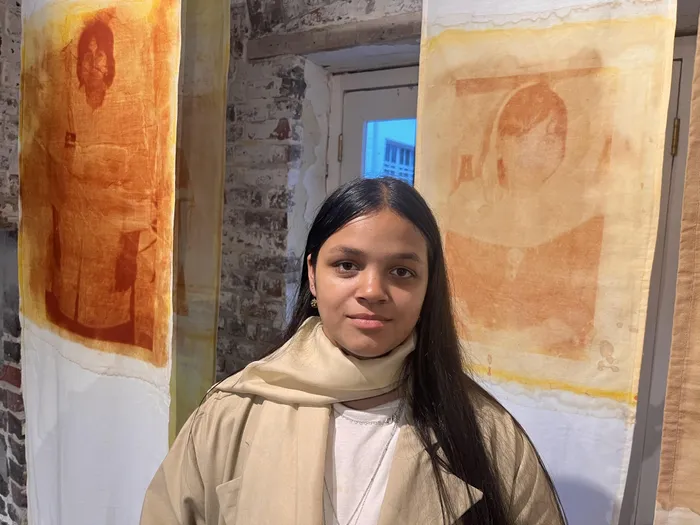
Visual artist Ni-shaat Nardien, from Mitchells Plain, embraces her Cape Malay heritage. Through her first exhibition Spices, Threads, and Memory, she explored the intricate connections between food, family, and faith.
Image: Fouzia van der Fort
What do doilies, clay, spices, and fishing nets have in common?
They form part of two artists' heritage and ancestry, which they have pieced together in reconstructing their history, in shifting narratives from the domestic to the political, and into an art exhibition called "Fra(u)gmented".
It is the ninth Our Cape Town Heritage (OCTH) educational cultural heritage art exhibition hosted at the Desmond and Leah Tutu Legacy Foundation, at The Old Granary Building in District Six, from Thursday, December 4, until mid-January. The OCTH is a non-profit.
Artists Ni-shaat Bardien, from Colorado Park in Mitchell's Plain, and Shalner Ching, formerly from Woodstock, now living in Brooklyn, have used these everyday materials to transcend their original function, which have become masterpieces in the exhibition hosted by non-profit organisation, Our Cape Town Heritage.
Ms Bardien uses her matriarchal ancestry of cooking up a storm in the kitchen, to infuse spices, using kitchen scraps, and "mimicking" cooking methods to connect with her grandmothers who had died when she was in primary school.
She also learned to crochet from YouTube videos, but her mother had been in the garment industry for decades.
She uses their pots and uses saffron, paprika, or turmeric to create red or brownish images to create the emotion of nostalgia.
"I've reconnected with these domestic practices in a way to forget the stigma that the crafts they used to do back then are not art. It can be considered art, and bringing that into my work is paying homage to them," she said.
Ms Bardien wants to incorporate this into her teaching, "bring back the old methods".
"There is so much you can learn from it," she said.
The exhibition, curated by Aaliyah Ahmed, explores how "being broken" can lead to transformation, reimagining salvaged materials like doilies and fishing nets.
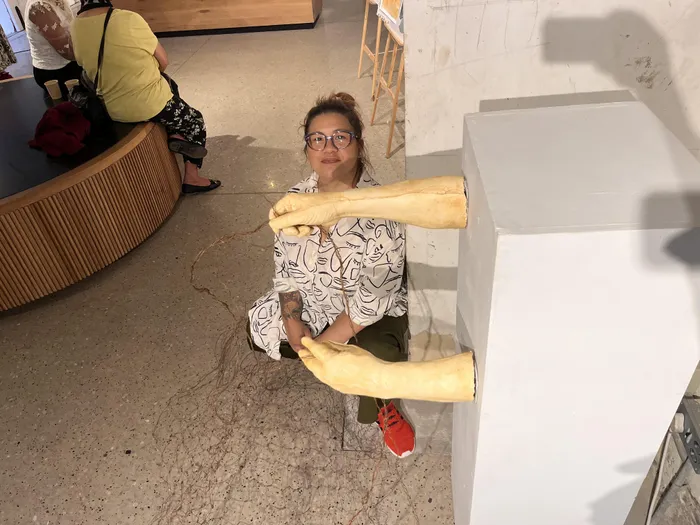
Multidisciplinary artist Shalner Cecilia Ching, formerly from Woodstock, explores memory, identity, and the fabric of community when making art. She sculpted her dad's hands and wove in a fishing net.
Image: Fouzia van der Fort
Ms Shalner works with "found material" - District Six clay, doilies, curtains, date seeds, and copper, which she blends into a sculpture or makes a lamp shade.
She is a multidisciplinary artist whose practice explores memory, identity, and the fabric of community.
Ms Ching grew up in the dynamic streets of Woodstock during the final years of apartheid.
She connects with people who share their artefacts with her.
"Where the homes were, I collect the clay from District Six. I go with my father. He would tell me where houses were, where people lived. We look out at the harbour, he tells me stories about fishing," she said.
Ms Ching said it about the oral histories, which extend beyond her lived experience.
Her influences include Muslim choirs, rap, and graffiti. Ching’s art, both personal and political, addresses race, belonging, and the enduring legacies of community life.
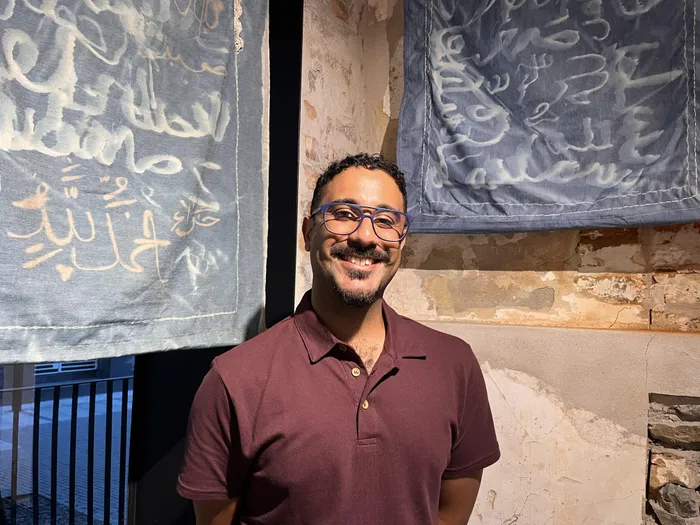
Our Cape Town Heritage archive researcher Yunus Ogier.
Image: Fouzia van der Fort
Yusuf Ogier said the link between art and history was crucial in order for the exhibition to be contextualised.
"It gives more depth and meaning to the exhibition, and makes it more digestible to the broader audience," he said.
The OCTH will have a fundraising walkabout through the exhibition on Saturday, January 17. Tickets cost R150 from Quicket.
It includes a talk by author Nadia Kamies and historian Daiyaan Petersen. Funds are in aid of employing an auditor so the OCTH can apply for funding. For more information, visit them on ourcapetownheritage.org